 If you received a large refund after filing your 2017 income tax return, you’re probably enjoying the influx of cash. But a large refund isn’t all positive. It also means you were essentially giving the government an interest-free loan.

If you received a large refund after filing your 2017 income tax return, you’re probably enjoying the influx of cash. But a large refund isn’t all positive. It also means you were essentially giving the government an interest-free loan.

When a donor promises to make a contribution at a later date, your not-for-profit likely welcomes it. But such pledges can come with complicated accounting issues.


With the April 17 individual income tax filing deadline behind you (or with your 2017 tax return on the back burner if you filed for an extension), you may be hoping to not think about taxes for the next several months. But for maximum tax savings, now is the time to start tax planning for 2018. It’s especially critical to get an early start this year because the Tax Cuts and Jobs Act (TCJA) has substantially changed the tax environment.

Your not-for-profit is likely governed by a core group of board members. But the addition of an informal advisory board can bring complementary — and valuable — skills and resources to this group.

Classifying workers as independent contractors — rather than employees — can save businesses money and provide other benefits. But the IRS is on the lookout for businesses that do this improperly to avoid taxes and employee benefit obligations.

What 2017 tax records can you toss once you’ve filed your 2017 return? The answer is simple: none. You need to hold on to all of your 2017 tax records for now. But it’s the perfect time to go through old tax records and see what you can discard.

For most not-for-profits, there’s no such thing as too much good publicity. If you’re struggling to get enough attention from media outlets, follow these steps:
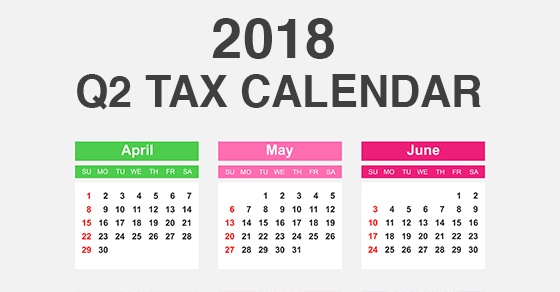
Here are some of the key tax-related deadlines affecting businesses and other employers during the second quarter of 2018. Keep in mind that this list isn’t all-inclusive, so there may be additional deadlines that apply to you. Contact us to ensure you’re meeting all applicable deadlines and to learn more about the filing requirements.
While April 15 (April 17 this year) is the main tax deadline on most individual taxpayers’ minds, there are others through the rest of the year that you also need to be aware of. To help you make sure you don’t miss any important 2018 deadlines, here’s a look at when some key tax-related forms, payments and other actions are due. Keep in mind that this list isn’t all-inclusive, so there may be additional deadlines that apply to you.