
Understanding how to deduct transportation costs could significantly reduce the tax burden on your small business. You and your employees likely incur various local transportation expenses each year, and they have tax implications.


Understanding how to deduct transportation costs could significantly reduce the tax burden on your small business. You and your employees likely incur various local transportation expenses each year, and they have tax implications.


There are two tax breaks that help eligible parents offset the expenses of adopting a child. In 2025, adoptive parents may be able to claim a credit against their federal tax for up to $17,280 of “qualified adoption expenses” for each child. This is up from $16,810 in 2024. A tax credit is a dollar-for-dollar reduction of tax.


Devising and executing the right succession plan is challenging for most business owners. In worst-case scenarios, succession planning is left to chance until the last minute. Chaos, or at least much confusion and uncertainty, often follows.


As a small business owner, managing health care costs for yourself and your employees can be challenging. One effective tool to consider adding is a Health Savings Account (HSA). HSAs offer a range of benefits that can help you save on health care expenses while providing valuable tax advantages. You may already have an HSA. It’s a good time to review how these accounts work because the IRS has announced the relevant inflation-adjusted amounts for 2025.
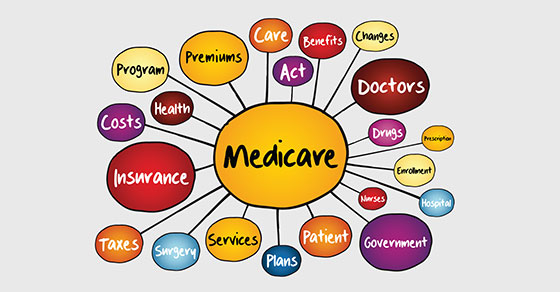
Medicare health insurance premiums can add up to big bucks — especially if you’re upper-income, married, and you and your spouse both pay premiums. Read on to understand how taxes fit in.

In one way or another, most small to midsize businesses have addressed employees using personal devices for work. In 2022, online career platform Zippia reported that 83% of companies surveyed had a bring your own device (BYOD) policy “of some kind.” That percentage has likely increased as even more businesses have recognized the inherent risks involved.


You’re not alone if you’re confused about the federal tax treatment of business-related meal and entertainment expenses. The rules have changed in recent years. Let’s take a look at what you can deduct in 2024.


If you’ve reached age 70½, you can make cash donations directly from your IRA to IRS-approved charities. These qualified charitable distributions (QCDs) may help you gain tax advantages.


Devising and executing the right succession plan is challenging for most business owners. In worst-case scenarios, succession planning is left to chance until the last minute. Chaos, or at least much confusion and uncertainty, often follows.

If you own a growing, unincorporated small business, you may be concerned about high self-employment (SE) tax bills. The SE tax is how Social Security and Medicare taxes are collected from self-employed individuals like you.