 Is your not-for-profit thinking about merging or otherwise restructuring? Recently, the IRS made the process easier for some organizations.


Is your not-for-profit thinking about merging or otherwise restructuring? Recently, the IRS made the process easier for some organizations.

If your company faces the need to “remediate” or clean up environmental contamination, the money you spend can be deductible on your tax return as ordinary and necessary business expenses. Of course, you want to claim the maximum immediate income tax benefits possible for the expenses you incur.
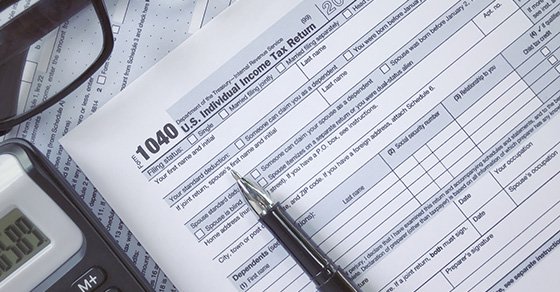
For tax purposes, December 31 means more than New Year’s Eve celebrations. It affects the filing status box that will be checked on your tax return for the year. When you file your return, you do so with one of five filing statuses, which depend in part on whether you’re married or unmarried on December 31.

A hypothetical not-for-profit staffer named Britney had maxed out her personal credit cards. So when her car needed repairs, she reached for her employer’s card. She reasoned that she would come up with the money to pay the bill before her boss ever saw a statement. Britney didn’t come up with the money. But lucky for her, her boss didn’t review the card statement that month. When Britney needed to buy holiday gifts, she reached for her work card again — and again. By the time her boss finally noticed the illicit charges, Britney had spent more than $5,000.
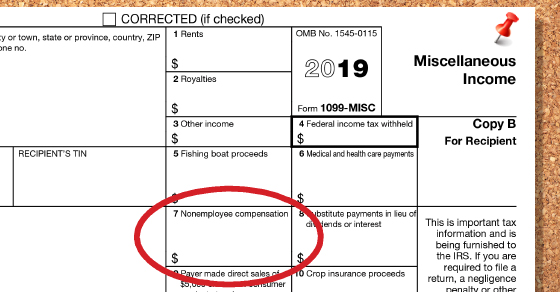
A month after the new year begins, your business may be required to comply with rules to report amounts paid to independent contractors, vendors and others. You may have to send 1099-MISC forms to those whom you pay nonemployee compensation, as well as file copies with the IRS. This task can be time consuming and there are penalties for not complying, so it’s a good idea to begin gathering information early to help ensure smooth filing.

You can reduce taxes and save for retirement by contributing to a tax-advantaged retirement plan. If your employer offers a 401(k) or Roth 401(k) plan, contributing to it is a taxwise way to build a nest egg.


Accounting for contributions and grants has often proven complicated for not-for-profits, especially when they come with donor-imposed conditions. But 2018 guidance from the Financial Accounting Standards Board (FASB) provided some much-needed clarification of earlier instructions.

There’s a tax-advantaged way for people to save for the needs of family members with disabilities — without having them lose eligibility for government benefits to which they’re entitled. It can be done though an Achieving a Better Life Experience (ABLE) account, which is a tax-free account that can be used for disability-related expenses.

Your not-for-profit may have paid little attention to the European Union’s (EU’s) General Data Protection Regulation (GDPR), which took effect May 25, 2018. The GDPR revises standards for privacy rights, information security and compliance in the EU. Yet it might also apply to U.S.-based organizations, such as your not-for-profit.

One of the most laborious tasks for small businesses is managing payroll. But it’s critical that you not only withhold the right amount of taxes from employees’ paychecks but also that you pay them over to the federal government on time.