
When you read the word “hygiene,” you may immediately think about the importance of washing your hands or brushing your teeth. But there’s another use of the term that every business owner should know: data hygiene.

When you read the word “hygiene,” you may immediately think about the importance of washing your hands or brushing your teeth. But there’s another use of the term that every business owner should know: data hygiene.


One of the most critical decisions entrepreneurs make when starting or restructuring a business is choosing the right entity type. This choice directly impacts how the business is taxed, the level of administrative complexity and regulatory compliance obligations. While legal liability considerations also matter, we will focus on tax implications. For liability advice, consult a legal professional.

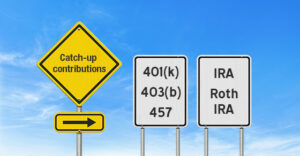
Are you age 50 or older? You’ve earned the right to supercharge your retirement savings with extra “catch-up” contributions to your tax-favored retirement account(s). And these contributions are more valuable than you may think.


The more things change, the more they stay the same. This age-old saying applies to many things, and one of them is fraud perpetrated against businesses by their employees.
In fact, occupational fraud cost organizations about 5% of their revenue on average last year, according to the Association of Certified Fraud Examiners’ Occupational Fraud 2024: A Report to the Nations. Let’s review its three basic categories.
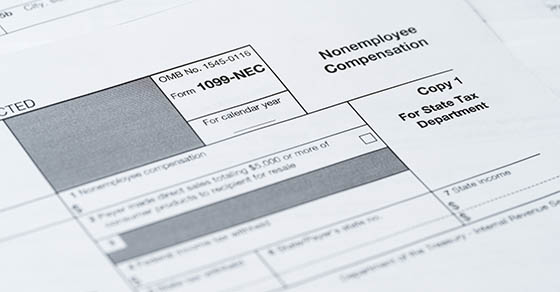
The One, Big Beautiful Bill Act (OBBBA) contains a major overhaul to an outdated IRS requirement. Beginning with payments made in 2026, the new law raises the threshold for information reporting on certain business payments from $600 to $2,000. Beginning in 2027, the threshold amount will be adjusted for inflation.


Before the One Big Beautiful Bill Act (OBBBA), tip income and overtime income were fully taxable for federal income tax purposes. The new law changes that.
Tip income deduction
For 2025–2028, the OBBBA creates a new temporary federal income tax deduction that can offset up to $25,000 of annual qualified tip income. It begins to phase out when modified adjusted gross income (MAGI) is more than $150,000 ($300,000 for married joint filers).


If your business allows employees to perform their jobs under a hybrid work model, it’s not alone. Ever since the pandemic, many companies have sought to strike a balance between permitting some remote work while also requiring staff to come into the office (or another type of facility).
The qualified business income (QBI) deduction, which became effective in 2018, is a significant tax benefit for many business owners. It allows eligible taxpayers to deduct up to 20% of QBI, not to exceed 20% of taxable income. It can also be claimed for up to 20% of income from qualified real estate investment trust dividends.


At back-to-school time, much of the focus is on the students returning to the classroom — and on their parents buying them school supplies, backpacks, clothes, etc., for the new school year. But teachers are also buying school supplies for their classrooms. And in many cases, they don’t receive reimbursement. Fortunately, they may be able to deduct some of these expenses on their tax returns. And, beginning next year, eligible educators will have an additional deduction opportunity under the One Big Beautiful Bill Act (OBBBA).


Businesses with more than one owner benefit from having multiple viewpoints and varying skill sets. However, they also face serious risks of uncertainty and conflict if one of the owners suddenly departs or undergoes a major life change. A carefully crafted buy-sell agreement can guard against these risks — if it’s securely funded.