 With the dawn of 2019 on the near horizon, here’s a quick list of tax and financial to-dos you should address before 2018 ends:

With the dawn of 2019 on the near horizon, here’s a quick list of tax and financial to-dos you should address before 2018 ends:

Churches, synagogues, mosques and other religious congregations aren’t required to file tax returns, so they might not regularly hire independent accountants. But regardless of size, religious organizations often are subject to other requirements, such as paying unrelated business income tax (UBIT) and properly classifying employees.
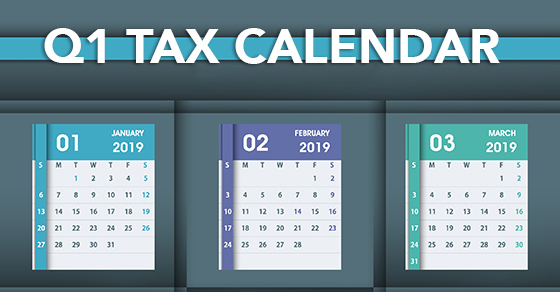
Here are some of the key tax-related deadlines affecting businesses and other employers during the first quarter of 2019. Keep in mind that this list isn’t all-inclusive, so there may be additional deadlines that apply to you. Contact us to ensure you’re meeting all applicable deadlines and to learn more about the filing requirements.

As the holidays approach and the year draws to a close, many taxpayers make charitable gifts — both in the spirit of the season and as a year-end tax planning strategy. But with the tax law changes that go into effect in 2018 and the many rules that apply to the charitable deduction, it’s a good idea to check deductibility before making any year-end donations.

You can’t serve the needs of your not-for-profit’s members unless you know what those needs are. Many organizations take the pulse of their membership with regular surveys but fail to conduct them strategically — and end up with useless information. Instead, maximize your next survey’s effectiveness by focusing on your objectives during every stage of the process:

The holiday season is a great time for businesses to show their appreciation for employees and customers by giving them gifts or hosting holiday parties. Before you begin shopping or sending out invitations, though, it’s a good idea to find out whether the expense is tax deductible and whether it’s taxable to the recipient. Here’s a brief review of the rules.

Prepaying property taxes related to the current year but due the following year has long been one of the most popular and effective year-end tax-planning strategies. But does it still make sense in 2018?

Communication breakdowns between a not-for-profit’s development and accounting departments can lead to confusion, embarrassment and even financial problems. Here are three ways your organization can facilitate cooperation between these two critical functions.

Under the Tax Cuts and Jobs Act (TCJA), many more businesses are now eligible to use the cash method of accounting for federal tax purposes. The cash method offers greater tax-planning flexibility, allowing some businesses to defer taxable income. Newly eligible businesses should determine whether the cash method would be advantageous and, if so, consider switching methods.

Will you be age 50 or older on December 31? Are you still working? Are you already contributing to your 401(k) plan or Savings Incentive Match Plan for Employees (SIMPLE) up to the regular annual limit? Then you may want to make “catch-up” contributions by the end of the year. Increasing your retirement plan contributions can be particularly advantageous if your itemized deductions for 2018 will be smaller than in the past because of changes under the Tax Cuts and Jobs Act (TCJA).