

Being a gig worker comes with tax consequences

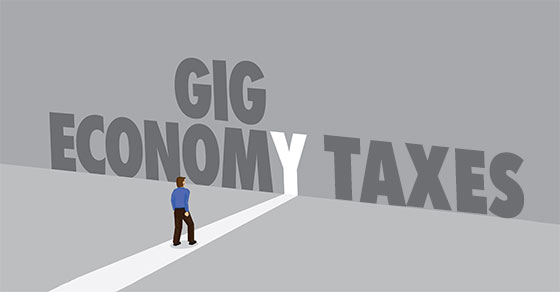
In recent years, many workers have become engaged in the “gig” economy. You may think of gig workers as those who deliver take-out restaurant meals, walk dogs and drive for ride-hailing services. But so-called gig work seems to be expanding. Today, some nurses have become gig workers and writers in Hollywood who recently went on strike have expressed concerns that screenwriting is becoming part of the gig economy.

Should you reassess your nonprofit’s office space?

Since the original COVID-19 lockdowns, many not-for-profits have allowed their staffers to work from home — or work a hybrid schedule that puts them onsite only part time. This can leave a lot of office space unused. Depending on your nonprofit’s current lease, it may be more cost-effective to downsize or seriously consider other options.

If you’re hiring independent contractors, make sure they’re properly handled

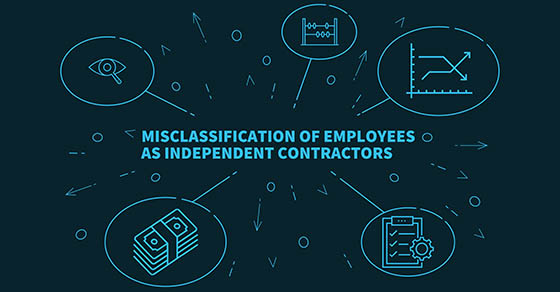
Many businesses use independent contractors to help keep their costs down — especially in these times of staff shortages and inflationary pressures. If you’re among them, be careful that these workers are properly classified for federal tax purposes. If the IRS reclassifies them as employees, it can be an expensive mistake.

When can seniors deduct Medicare premiums on their tax returns?

If you’re age 65 and older and have basic Medicare insurance, you may need to pay additional premiums to get the level of coverage you want. The premiums can be costly, especially for married couples with both spouses paying them. But there may be an advantage: You may qualify for a tax break for paying the premiums.

Keep thieves from stealing from your nonprofit youth sports league

A few years ago, the popular and well-compensated executive director of a west coast youth soccer league was accused of fraud. After scrutinizing the club’s books, the league’s board of directors couldn’t account for $80,000. Criminal charges were eventually dropped, but many similar cases have concluded in embezzlement findings and significant losses.

Education benefits help attract, retain and motivate your employees

One popular fringe benefit is an education assistance program that allows employees to continue learning and perhaps earn a degree with financial assistance from their employers. One way to attract, retain and motivate employees is to provide education fringe benefits so that team members can improve their skills and gain additional knowledge. An employee can receive, on a tax-free basis, up to $5,250 each year from his or her employer under a “qualified educational assistance program.”