
If you run your business as a C corporation, you may be eligible for a potentially significant tax break for qualified small business (QSB) stock. This opportunity has existed for years, but recent tax law changes have enhanced it.

If you run your business as a C corporation, you may be eligible for a potentially significant tax break for qualified small business (QSB) stock. This opportunity has existed for years, but recent tax law changes have enhanced it.
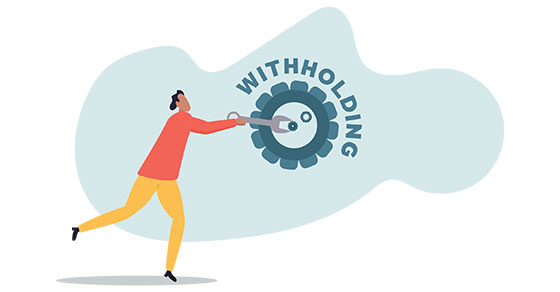
Many taxpayers discover at filing time that their tax payments during the year didn’t align with their actual liability — either too much or too little was withheld from their paychecks. A small difference is to be expected, but withholding that’s significantly off target can have negative consequences. Overwithholding reduces the amount available to you throughout the year. Substantial underwithholding can lead to a large balance due, along with potential interest and penalties.


Whether it’s a trademark, copyright, patent, trade secret or other piece of IP, its ultimate value to your business depends on you owning it. Without airtight agreements with employees and independent contractors, these workers may claim that the IP they research and develop belongs to them.


The passive activity loss (PAL) rules may limit your ability to deduct losses from a business structured as a limited liability partnership (LLP) or limited liability company (LLC). Depending on how your ownership interest is treated under these rules, you may have more or less flexibility to claim losses in the current year. Here’s a closer look.


Large stock market gains in recent years, coupled with some significant volatility in 2026, have left many investors with portfolios that are out of balance with their desired asset allocation. If you haven’t rebalanced recently, it may be time to do so. But you also must consider the tax implications. Careful planning can minimize the tax cost of rebalancing.


So you’ve decided to start your own business — congratulations! Many new owners open a business to be their own boss and chart their own course. However, along with those benefits come some complications compared to being someone else’s employee. Planning and budgeting are critical, and you’ll have plenty of new tax compliance responsibilities.

Many small businesses don’t have enough employees to worry about the play-or-pay provisions of the Affordable Care Act (ACA). However, as your business grows, these rules can apply sooner than expected. This issue also may not be on your radar because there’s a common misconception that the repeal of ACA penalties under the Tax Cuts and Jobs Act applied to both individuals and businesses. While the individual mandate penalty was eliminated beginning in 2019, the employer shared responsibility rules are still in effect.


Yes, the April 15 tax deadline is now behind us. But there are also deadlines during the rest of the year that are important to be aware of. To help you not miss any, here’s when some key tax-related forms, payments and other actions are due. Keep in mind that this list isn’t all-inclusive. There may be additional deadlines that apply to you.


It’s every business owner’s least-favorite task: laying off staff. But sometimes, layoffs are unavoidable. Labor costs are a significant line item on most companies’ income statements, and reducing your workforce can potentially help restore stability if your business hits choppy waters.


After you’ve filed your 2025 tax return, what’s next? It’s easy to move on to other things, but taking a little time to address some tax-related items now can help you stay organized and avoid issues later. Here are a few to-dos.